True medicine exists
One only needs to go back in time
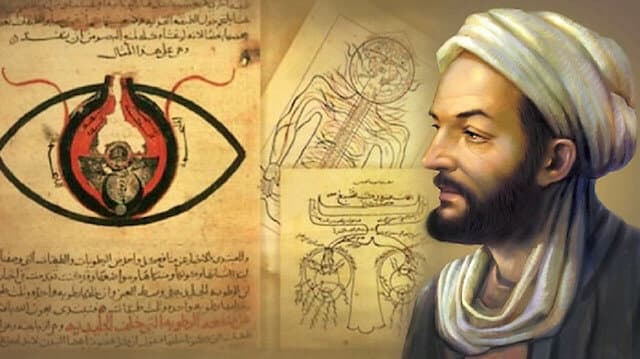
I return to Avicenna's texts more and more often—not for history or authority. I return to them as to a mirror, to check whether I am going in the right direction.
Avicenna did not write about disease as an enemy. He spoke of it as a loss of harmony—a place where a person has fallen out of measure with themselves, with life, with their own rhythm. And the longer I work with people, the clearer I understand: this definition has not become outdated. It has become more precise.
I do not seek power over the body in medicine. I seek understanding.
Disease rarely begins in test results. Most often—in unnoticed tension, suppressed emotion, in a life that "goes through force." The body does not take revenge. It informs. Sometimes—gently. Sometimes—persistently.
In this sense, a doctor for me is not one who conquers disease, but one who can hear where the measure has been violated.
Avicenna warned against mechanical knowledge: "He who knows remedies but does not know the person is more dangerous than he who knows neither."
This thought sounds especially sharp today, when we know so much about the body and so little about wholeness. One must treat not the disease, but the state of the person. First observe, then understand, only then intervene.
I am more and more convinced: the same state is never the same in different people. The symptom may coincide, but the path to it is always unique. And if one does not take into account age, life rhythm, experiences, inner conflicts—treatment turns into suppression, not restoration.
I am close to the idea of the doctor as mediator. Not as savior. And not as one who "knows better." A mediator between body and meaning. Between what happens at the tissue level and what happens in a person's life. Between cause and effect. Avicenna wrote that the doctor is merely a cause among causes.
Healing does not happen by the will of the doctor, but when correspondence is restored.
This thought requires humility. It leaves no room for boasting.
It leaves only responsibility—to be attentive, honest, and pure in intention.
I do not aspire to heal everything. I aspire not to harm more than I can help.
Sometimes help is intervention.
Sometimes a pause.
Sometimes the right question asked in time.
Health is the agreement of body with soul, soul with mind, mind with the order of being. Disease is the place where this agreement is violated. The doctor is one who can see where exactly the disorder occurred.
I walk this path not because it is easy. But because it is honest. And if there is a guidepost in my work, it is not the image of an ideal doctor, but a constant question to myself: where has the measure been lost here—and how to help the person remember it?